
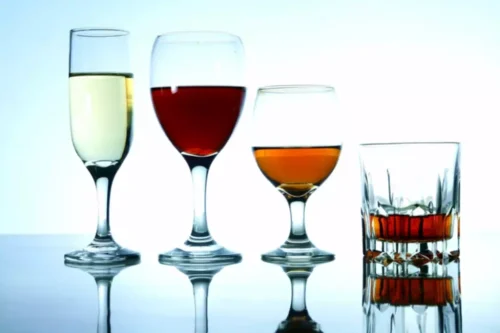
The longer alcohol stays in the stomach, the longer it takes to be absorbed and the slower the rate of intoxication. Eating before drinking and continuing to snack while you consume alcohol will slow the absorption and reduce its intoxicating impact, but it will prolong the detection period. For a person weighing 150 pounds, for example, one standard drink will increase their blood-alcohol concentration by about 0.02%, but the body can only remove about 0.016% per hour on average. Therefore, even if you consume only one drink per hour, your blood alcohol concentration (BAC) will continue to increase.
How Long Does it Take to Get Alcohol Out of Your System for a Urine Test?
Food also keeps alcohol in the stomach longer, so some of it is metabolized before traveling to the small intestine. The half-life of alcohol is four to five hours, which represents how long it takes your body to get rid of half of the alcohol you have consumed. It takes five half-lives for your body to metabolize all of the alcohol you’ve had, anywhere between 20 to 25 hours on average.
Factors That Affect Detection Time
If a person who has a history of heavy drinking undergoes an alcohol detox, they can develop several symptoms of withdrawal. In some cases, symptoms can become life threatening, so it is best to detox under the supervision of a healthcare professional. When ingested, alcohol is rapidly absorbed from the stomach and small intestine into your bloodstream before it travels to the central nervous system (brain and spinal cord). As a central nervous system depressant, alcohol impairs the communication of messages in your brain, altering your perceptions, emotions, movement, and senses.
- A person who has not eaten will hit their peak blood alcohol level between 30 minutes and two hours after consumption, depending on the amount of alcohol consumed.
- That’s why many of us wonder if a month of avoiding drinking is enough to “reset” your liver back to normal.
- Exercise influences alcohol metabolism by stimulating various physiological processes that assist in breaking down and eliminating alcohol from your system more efficiently.
- While the body works on metabolising alcohol, it suffers from dehydration.
List of Famous Celebrity Alcoholics
Medical interventions may be necessary for individuals struggling with severe alcohol dependence or withdrawal symptoms. Medications like Disulfiram, Acamprosate, and what gets alcohol out of your body Naltrexone are commonly used under professional supervision to manage cravings and support sobriety. Once alcohol is in your system, it will follow its usual course of metabolism.
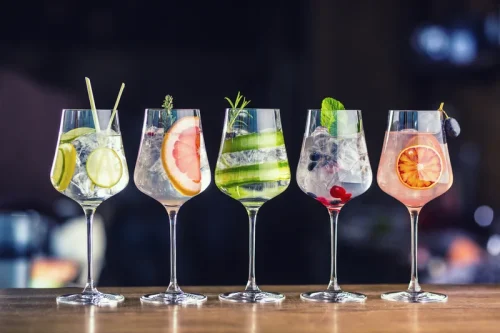
It is also referred to as blood alcohol level and indicates how impaired you are. Organizations such as workplaces, hospitals, and law enforcement use BAC tests to determine if you have consumed alcohol, need treatment for alcohol poisoning, or are over the legal limit to drive. Generally, the older you are, the slower your body will process alcohol. That is why you may notice that alcohol affects you differently than it did in your twenties.
- Expert staff will assess and evaluate your condition to determine the best path for recovery.
- This is why if any, many, or all of these symptoms are present, it is important to seek professional help sooner than later.
- These in-person or online groups can help you feel supported and less alone as you navigate recovery.
Iron-rich foods
Bumping up our vitamin C intake, washing our hands and getting quality sleep are all tried-and-true ways to help us stay cold and flu-free (although nothing is guaranteed). But less-known is that drinking too much alcohol isn’t doing our immune system any favors and can actually reduce how well it functions. Although alcohol can have a relaxing effect and increase a person’s ability to fall asleep, it can also adversely affect sleep.
Biological Sex and Body Weight
A hair follicle ethylglucuronide (EtG) test will reveal alcohol use for up to 90 days after consumption. Expert staff will assess and evaluate your condition to determine the best path for recovery. If you require a detox programme, our skilled professionals will provide support throughout the withdrawal process and detoxification. We will make the process easier by administering medications and therapies and ensuring 24-hour supervision in a peaceful environment. Eating oily fish high in Omega-3 fatty acids can protect the brain against irreversible damage from alcohol consumption, warding off dementia and other conditions.
Physical Activities to Consider
Many people swear by the effects of a strong cup of coffee to help you feel sober faster. Caffeine can perk you up so you’ll feel more alert, but it doesn’t change how quickly your body metabolizes alcohol. Another thing to consider when combining caffeine and alcohol is that both substances are dehydrating. Alcoholics Anonymous Together, they will reduce your body’s water content, potentially slowing alcohol metabolism.
<